

Early Music Day 2026: committed projects
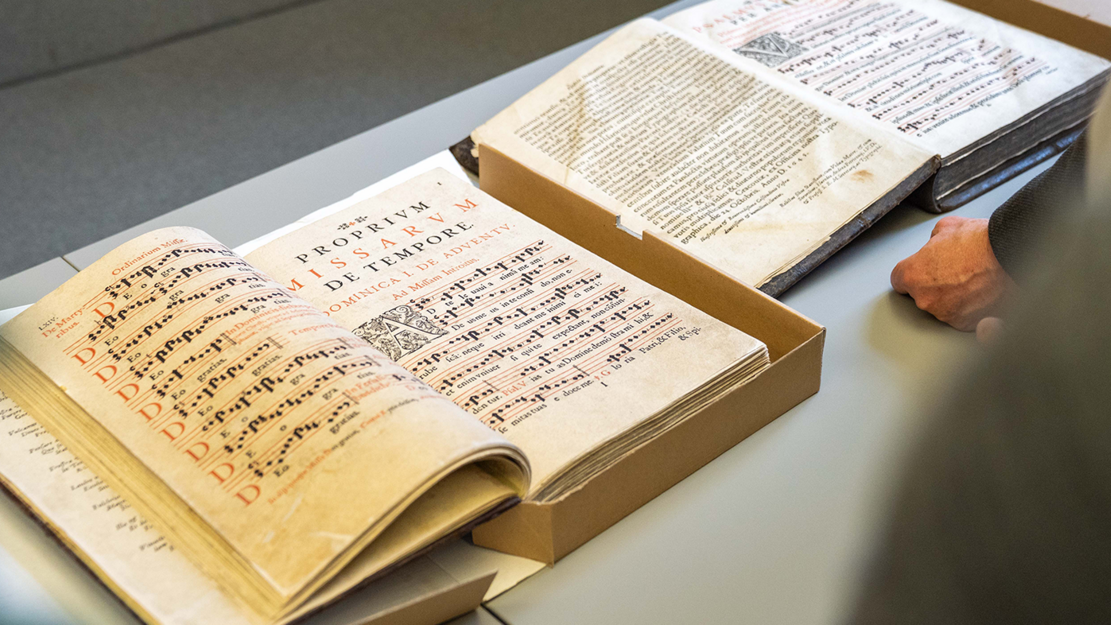
On the occasion of the 2026 edition of Early Music Day, numerous events across Europe illustrate the early music sector’s commitment to sustainable development, understood in its social, cultural, and territorial dimensions. Knowledge transmission, accessibility, inclusion, and local anchoring: these initiatives demonstrate that musical heritage is a key driver for fostering connections and supporting contemporary change.
Transmitting skills and practices
In Montpellier, Les Muses en Dialogue offered an immersion into instrumental history with La sacqueboute, passeport musical à travers les âges, an educational session combining discovery, demonstration, and hands-on practice. In the same spirit, a visit to the workshop of Martine Argellies, a leading figure in harpsichord making in France, provided a rare insight into exceptional craftsmanship recognised under the Living Heritage Company label (Entreprise du Patrimoine Vivant).
In Sète, Florent Petit also opened the doors of his workshop to share the secrets of making bowed string instruments. These direct encounters between artisans and audiences help preserve essential, often fragile skills.
Finally, in Italy, the Centro culturale San Magno offered a course dedicated to reading Renaissance musical notation, enabling participants to engage with repertoires that are sometimes difficult to access.
Making early music accessible to all
Making early music accessible to all
La Camera delle Lacrime launched season 3 of its web series Circum Cantum & Karaoké Médiéval. This playful and interactive format allows everyone to learn and sing medieval repertoires from home, while discovering their historical context.
In Spain, the Encuentro Silva de Sirenas festival presented, through Early Music Desk, an immersive listening experience combining concert, mediation, and direct exchanges with the performers, also accessible online.
In Freiburg, the Freiburger Barockorchester presented HEAR! we move, a project bringing together 130 students, with and without hearing impairments. This ambitious initiative explores how we live together through music, combining artistic practice, collective reflection, and accessibility.
In Freiburg, the Freiburger Barockorchester presented HEAR! we move, a project bringing together 130 students, with and without hearing impairments. This ambitious initiative explores how we live together through music, combining artistic practice, collective reflection, and accessibility.
Strengthening links with local communities
In Ireland, the Dordán choir performed at the Central Library in Waterford, highlighting the continuity of musical traditions within contemporary amateur and community practice. Such events encourage local engagement with cultural heritage.
In Perpignan, Casa Xanxo hosted a musical visit with students from the conservatoire, creating a festive, intergenerational moment where architectural and musical heritage come together in dialogue.
In Sweden, in Visby, a concert followed by a jam session invited the audience to take an active role, in a participatory and inclusive approach.
You might
like…
More
More

More