

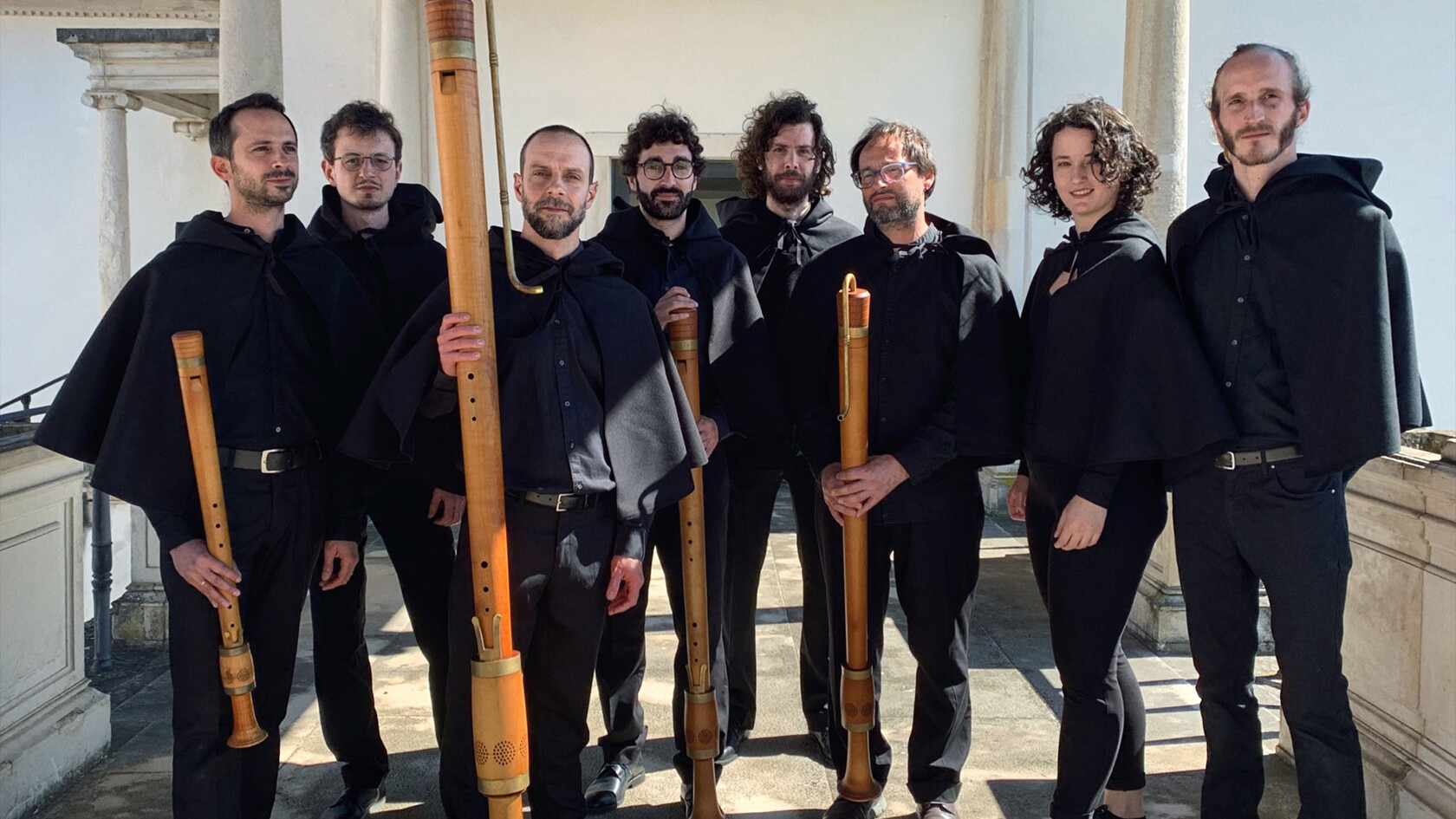
Capella Sanctae Crucis - France
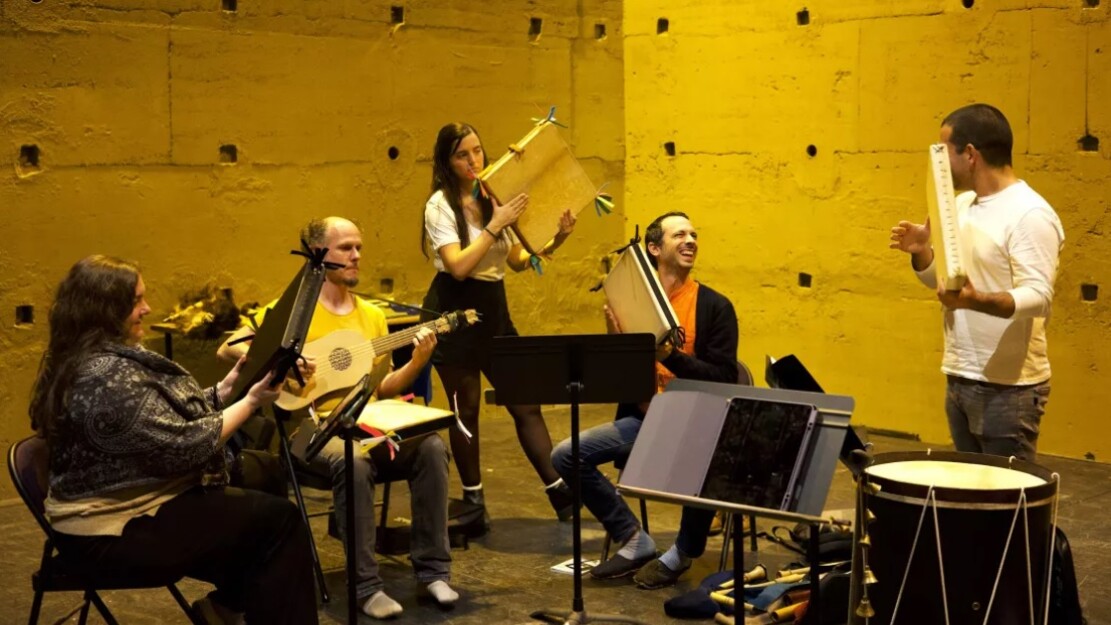
CAPELLA SANCTAE CRUCIS is a laboratory of study and performance focused on the Portuguese polyphony of the 16th and 17th centuries, founded by Tiago Simas Freire in 2012. It owes its name to the musical chapel of the Monastery of Santa Cruz in Coimbra, from which the musical sources that constitute the main objects of our study originate.
Working mostly on unpublished manuscripts preserved in the General Library of University of Coimbra, the programmes are conceived to recreate the richness of each work's original context. Faithful to a philological approach, historically and culturally formed beyond what is expressed in the sources, the interpretation challenges and explores sound texture and balance, discourse and phrasing, instrumentation, and ornamentation.
The present-day Man is thus transported, through this aesthetic experience, to a widening of his imaginary, past, present, and future.
The present-day Man is thus transported, through this aesthetic experience, to a widening of his imaginary, past, present, and future.
The passions that drive the team are evident: the emotion of maximum proximity to the sources; the constant questioning and experimentation; the admiration of the harmony of the spheres represented by Renaissance music; the enthusiasm for the emotional metamorphoses of early Baroque music; and the ambition to discover Portuguese repertoires that are little known to musicians and the general public.
Capella Sanctae Crucis
3 Passage Mas, Lyon, France
/ administration@capellasanctaecrucis.com
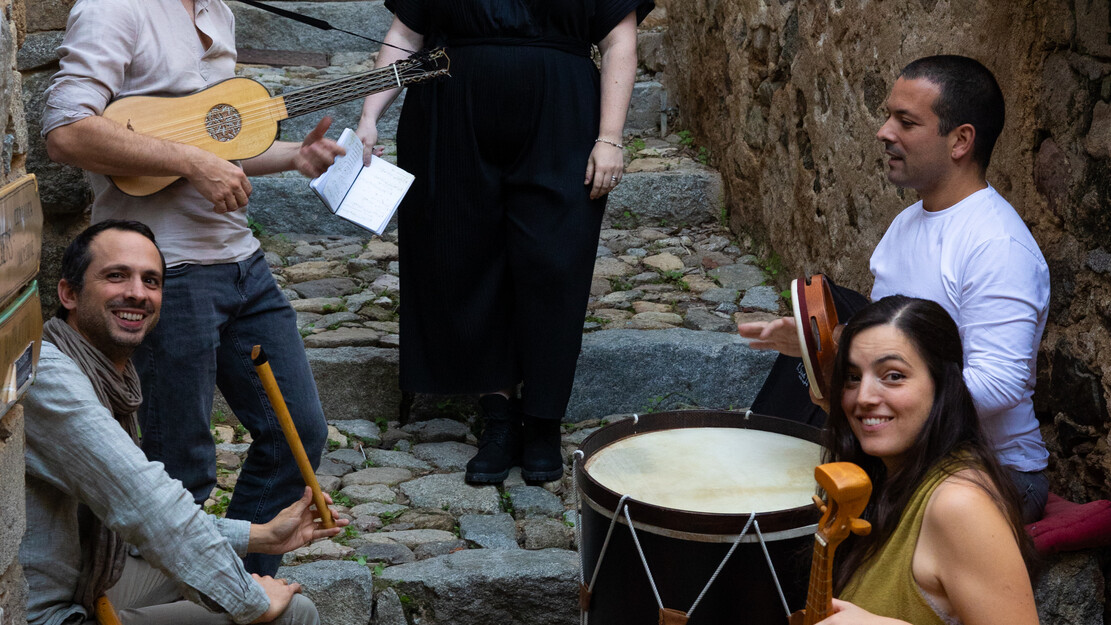
From 04 February to 05 February / Switzerland
Terra donde me criei at AMR Geneva
The Portuguese poetic-musical songbooks of the 16th century and the…
More
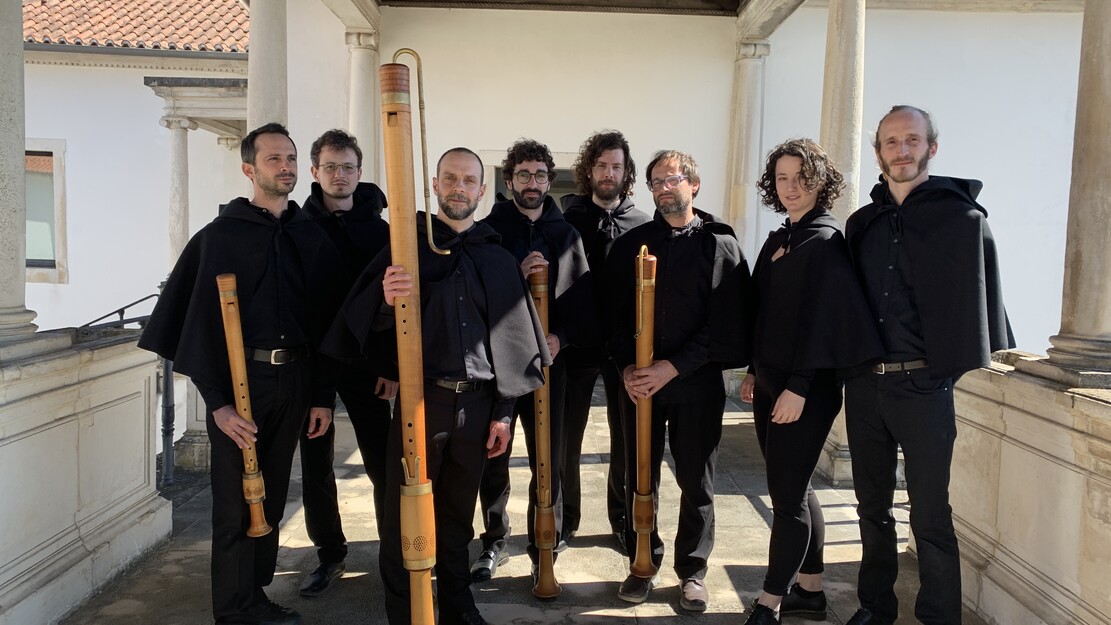
04 April/20h00 / Portugal
Ad Tenebras at Festival Internacional de Música Religiosa
In Coimbra's very rich collection of musical manuscripts, several sources…
More
20 March/20h00 / Switzerland
Terra Donde Me Criei at Bâle
The Portuguese poetic-musical songbooks of the 16th century and the…
More
06 August/19h00 / Poland
TERRA donde me criei
This project weaves poetic, and musical connections between Portuguese…
More